Old Cocoa Florida Since 1882
The older sister of the Space Coast.
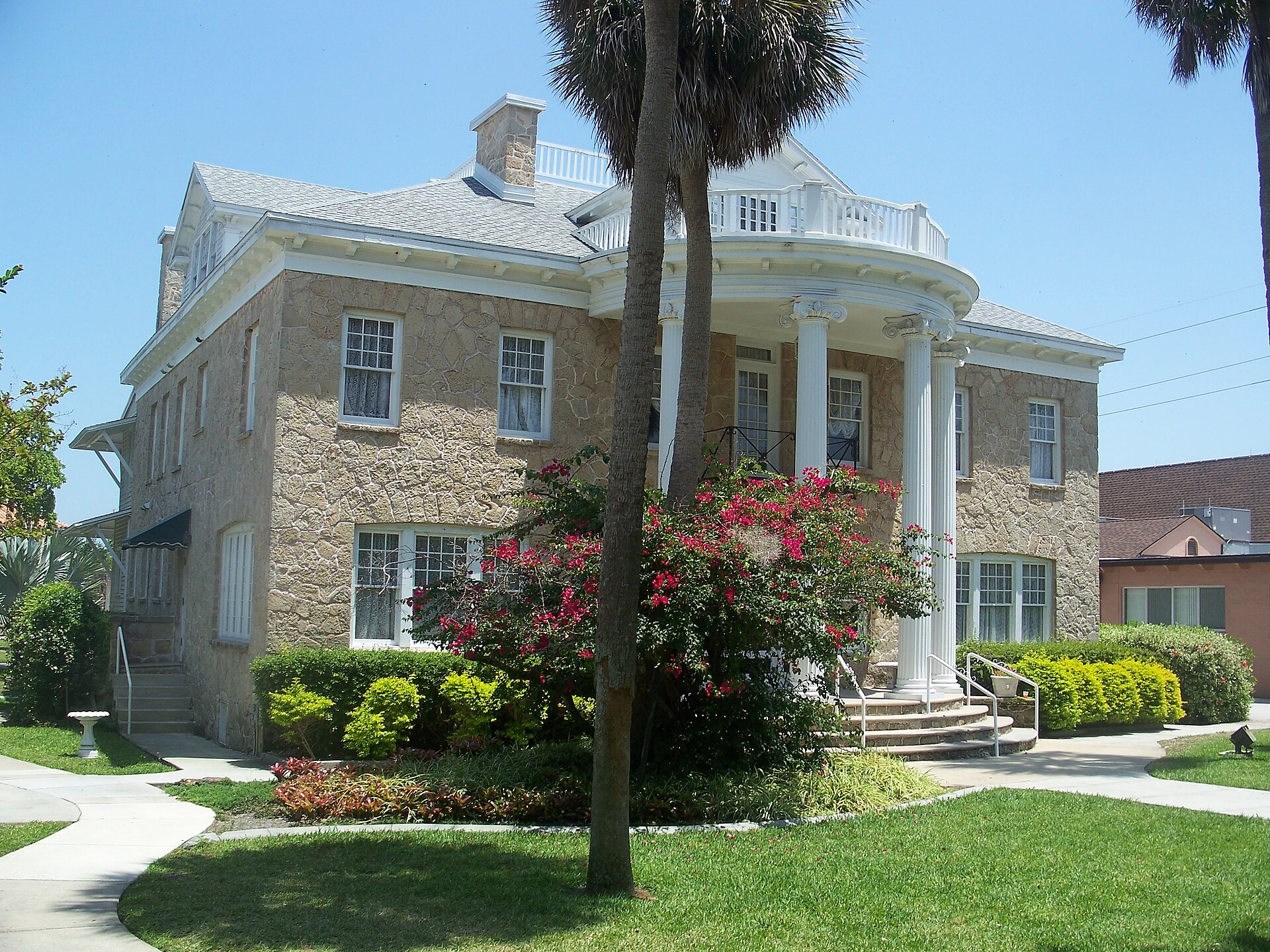
Cocoa was a citrus-shipping town before NASA arrived. Settled in the 1860s, incorporated in 1882, anchored by the Porcher House, S.F. Travis Hardware opened in 1885, and a Victorian-era downtown that survived urban renewal. This is the mainland story.
From the archive
Recent pieces on Cocoa's mainland history.
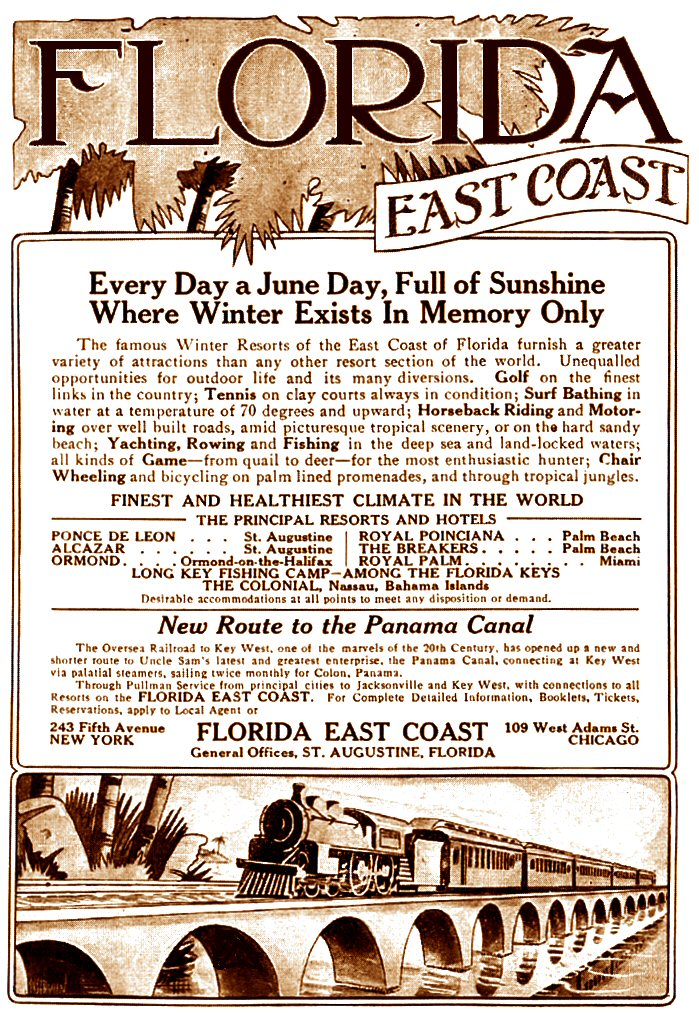
The 1925 Florida land boom and why Cocoa didn't quite collapse
The 1924-26 Florida land bubble ruined speculators across the state and left Miami, Tampa, and Sarasota with abandoned subdivisions. Cocoa took damage but survived, because the underlying economy was still citrus, not speculation.
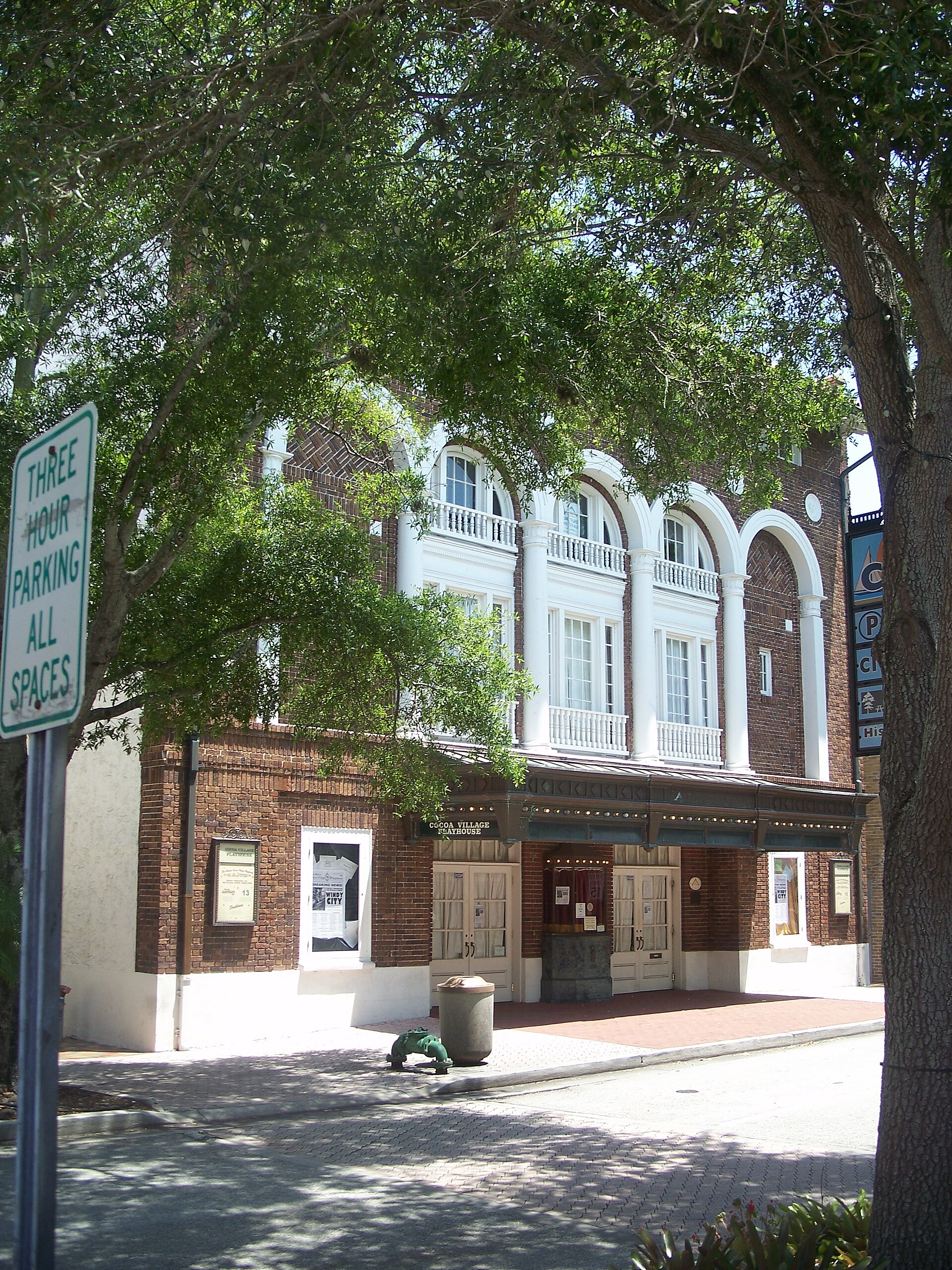
The Aladdin Theatre, 1924: Cocoa Village's surviving silent-era movie palace
Opened in November 1924 by Edwin and Jenny Hoffman, the Aladdin Theatre on Brevard Avenue is one of the oldest continuously-operating movie houses in Florida. It's on the National Register and still shows films.
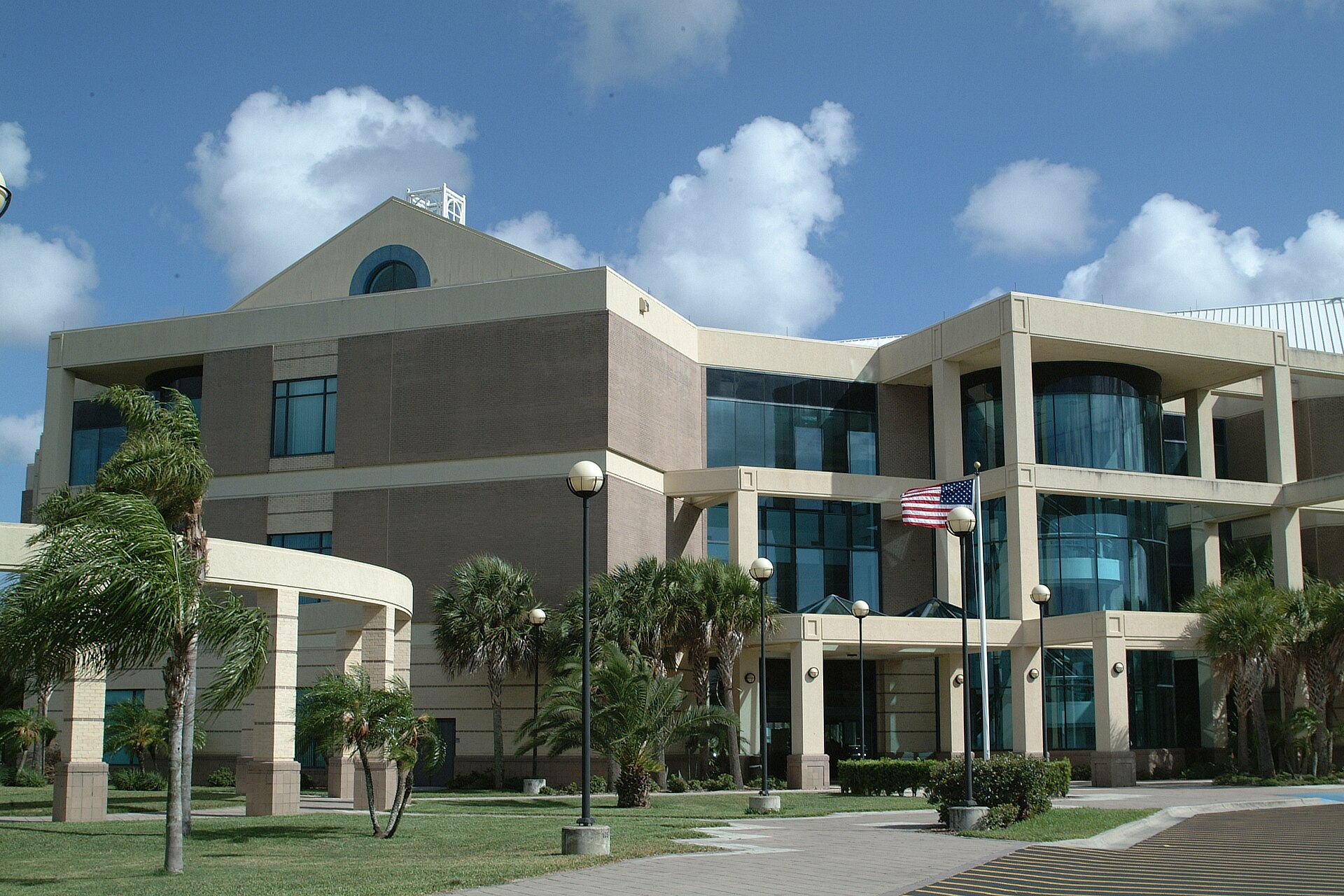
Brevard Junior College, founded 1960 in Cocoa: how it became Eastern Florida State
Brevard Junior College opened in 1960 on a 100-acre site west of Cocoa, founded to serve the influx of NASA contractors and military families. It became Brevard Community College, then Eastern Florida State College, Brevard County's first higher-education institution.
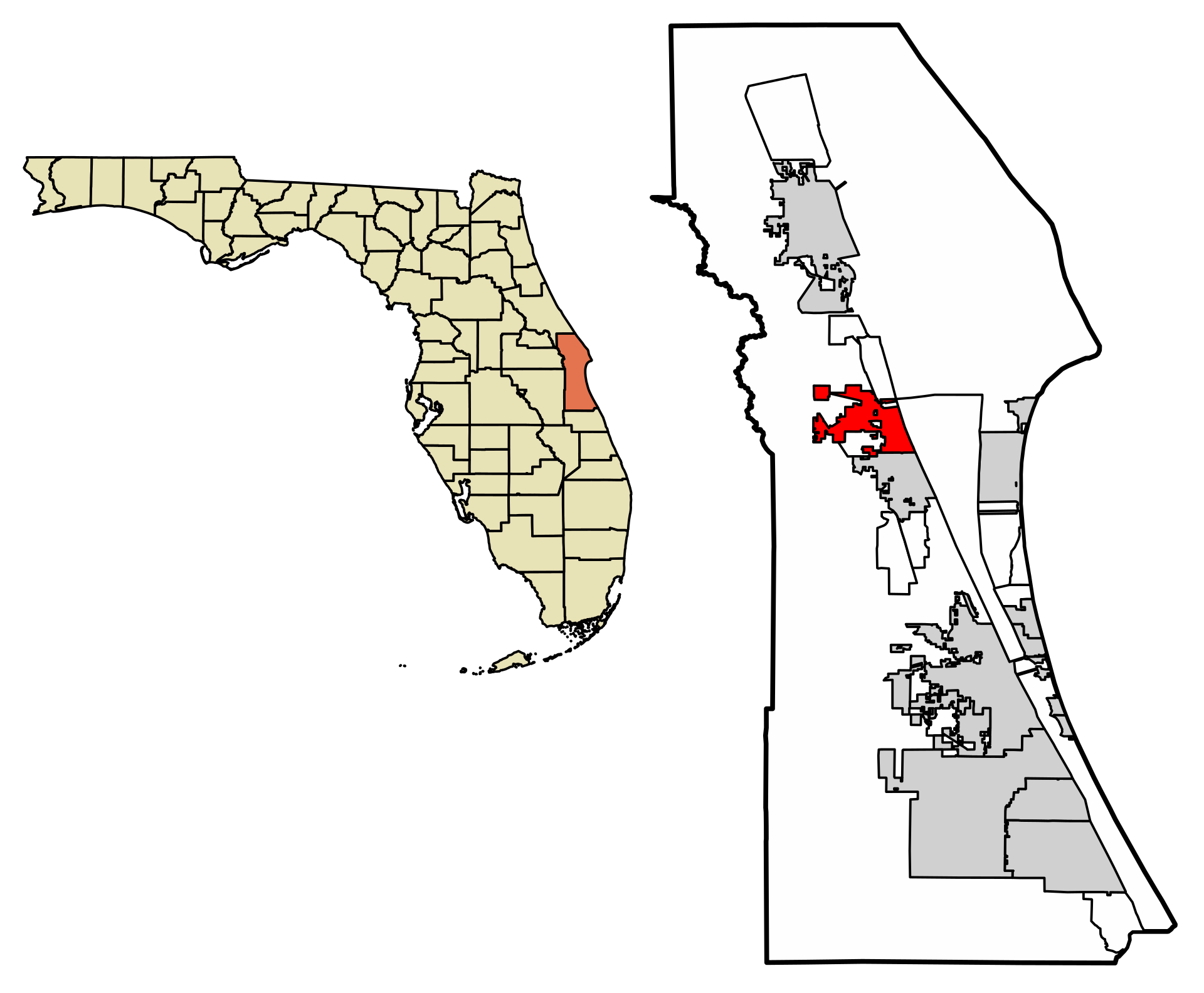
Why Cocoa lost the Brevard County seat to Titusville in 1894
In 1894 a county-wide vote moved the Brevard County seat from Titusville to its current location, Titusville, again, after a brief Cocoa-adjacent interlude. Cocoa came close to becoming the county seat. It didn't, and that's a story about geography, railroad politics, and one specific election.
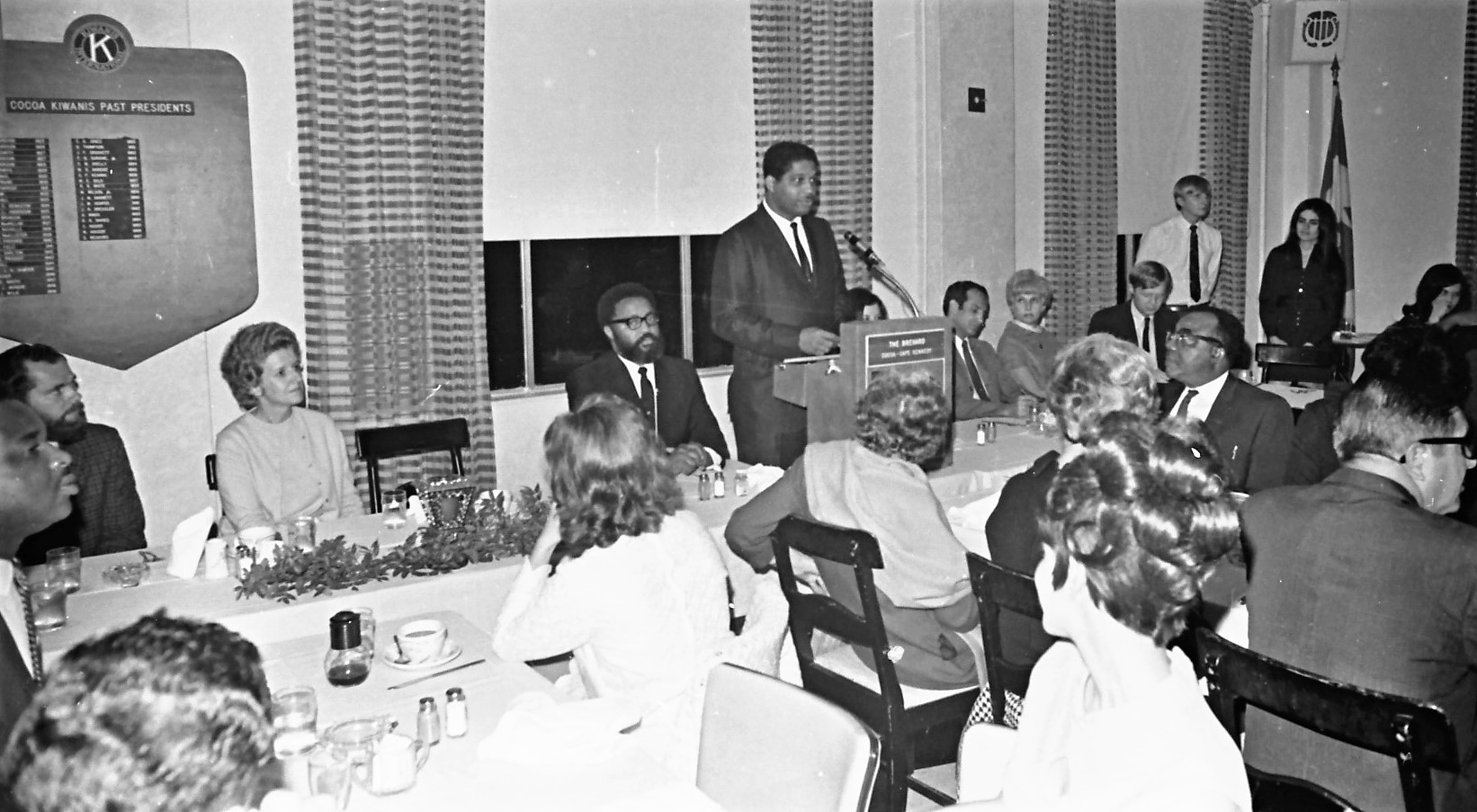
Brevard's freedmen and the founding of Black communities near Cocoa, 1865-1920
After emancipation, Black settlers established communities at Mims, Allendale (later part of Cocoa), and near present-day Rockledge. These neighborhoods supplied the citrus-packing labor that built Cocoa's economy. Their churches, schools, and burying grounds still anchor the city's west side.
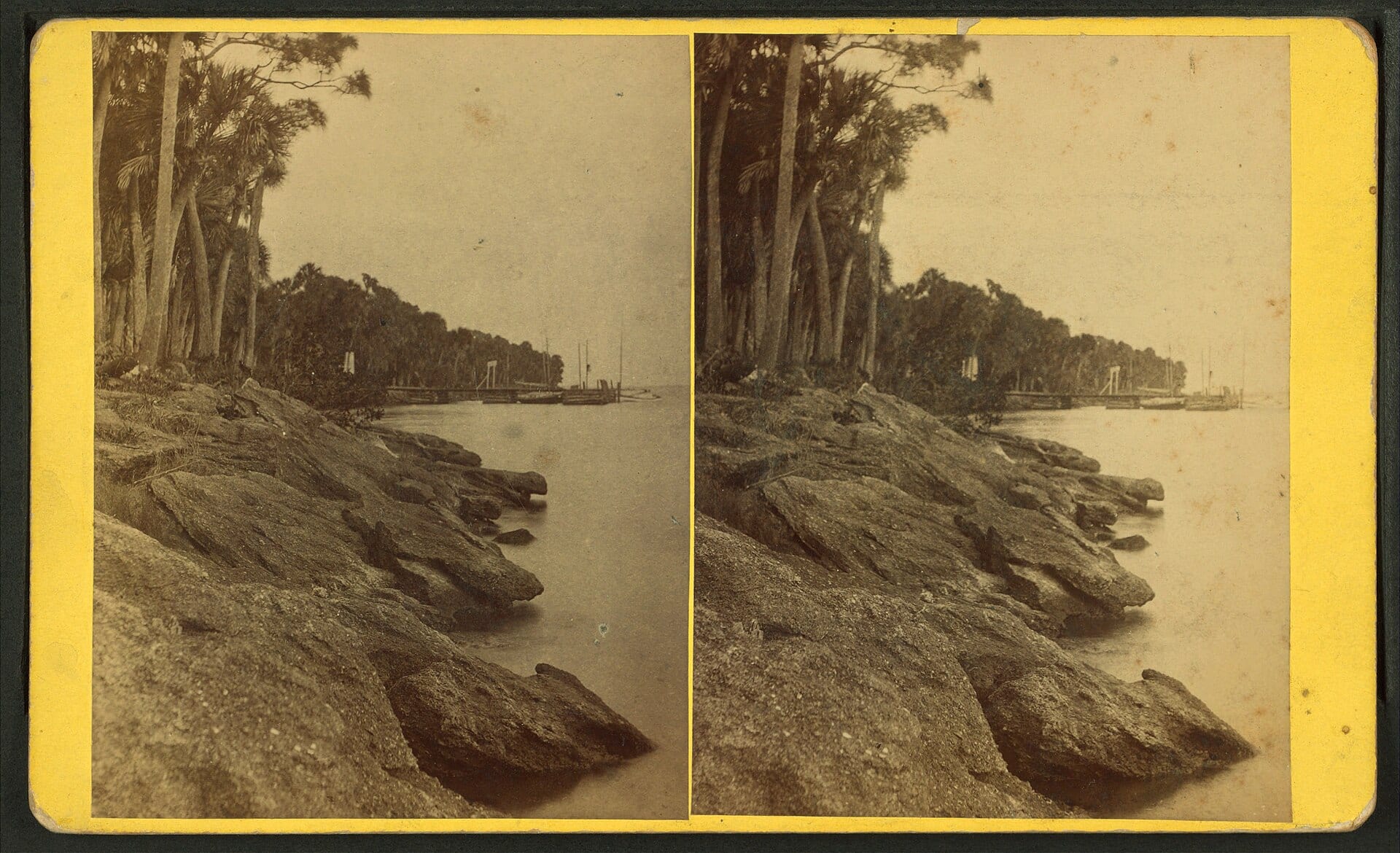
The Brevard County Mosquito Control District: how aerial spraying made Cocoa habitable
Founded in Cocoa in 1953, the Brevard Mosquito Control District ran the aerial-spraying program that transformed coastal Brevard from seasonally uninhabitable to year-round suburban. The program had real ecological costs and a real public-health success.
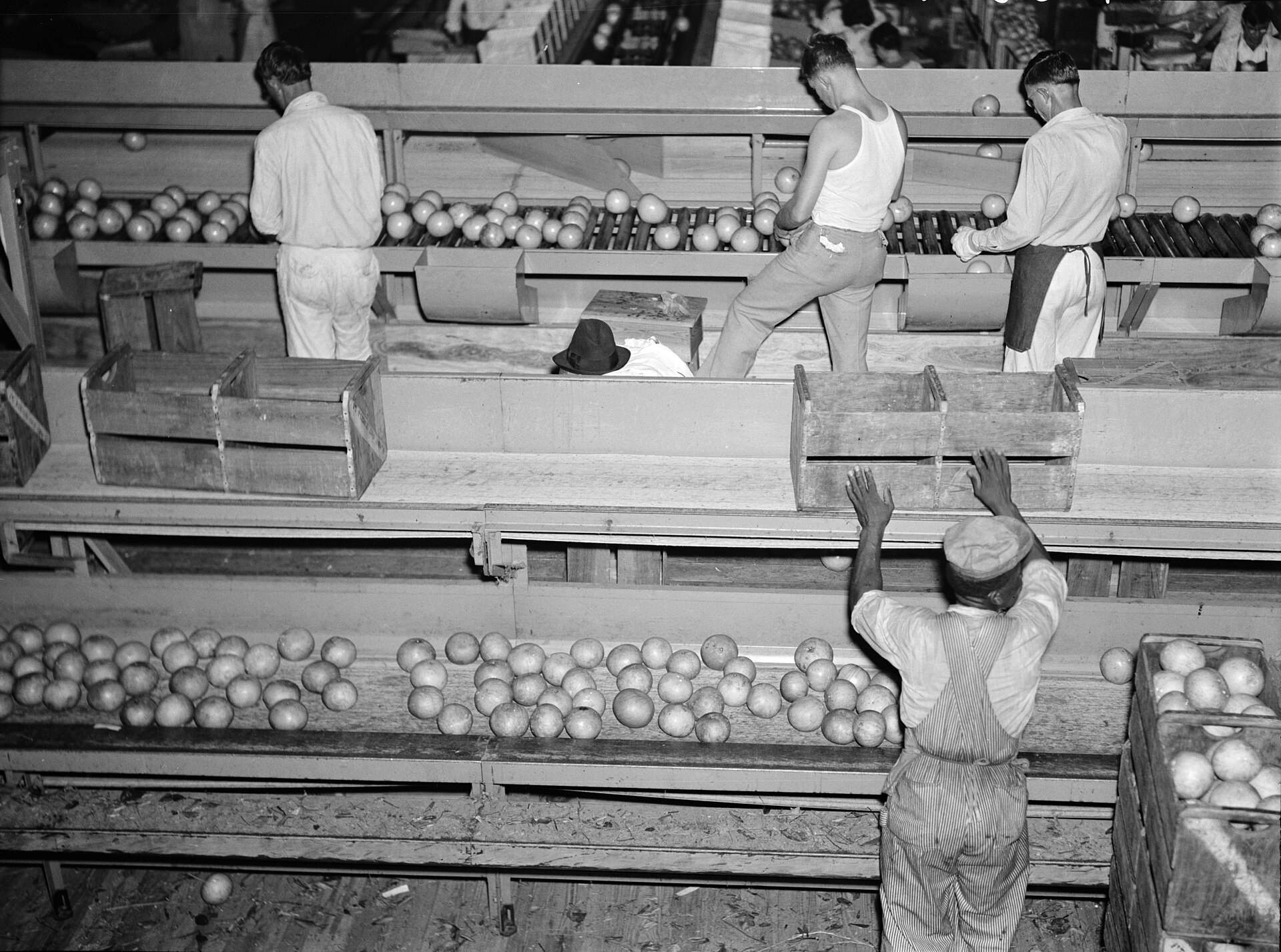
Cocoa's citrus packing houses, 1890-1962: the rise, the freeze, and the consolidation
A.S. Dixon, the Cocoa Citrus Exchange, the Deer Park label, the Indian River brand premium, and the 1894-95 freeze that almost ended it all. Cocoa's citrus packing era ran for seventy years and built half the buildings still standing in Cocoa Village.
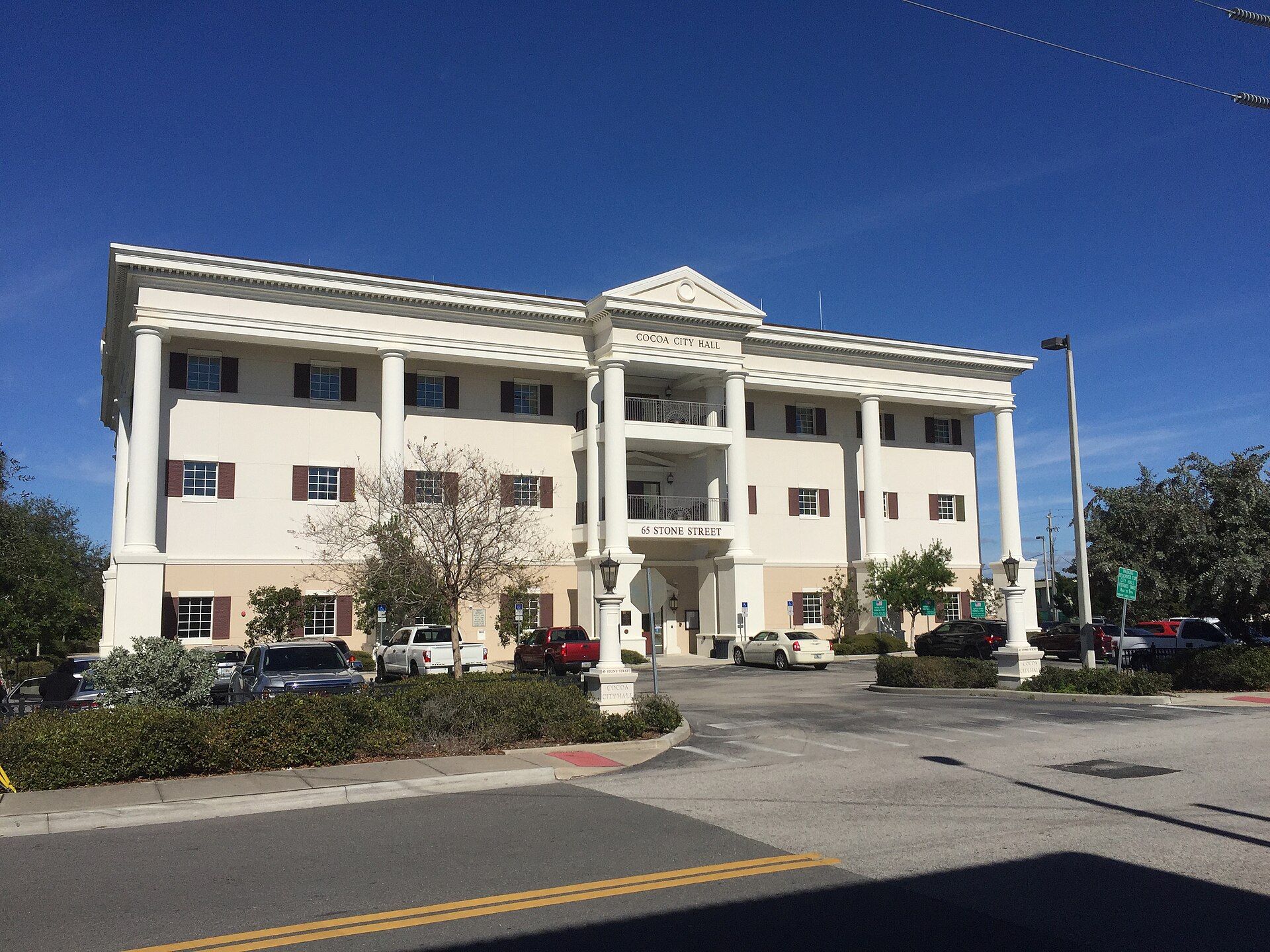
Cocoa Auditorium and the 1950s civic-building era
The Cocoa Auditorium and the related civic-building boom of the late 1940s and 1950s gave the city a set of public buildings it still uses. Most were demolished or repurposed by 2000, but the era's footprint is still visible in Riverfront Park and around city hall.
Common questions about Cocoa history
- How did Cocoa, Florida get its name?
Per the version that has stuck in city tradition for over a century, a settler named the post office after a tin of Baker's Cocoa sitting on a store counter when postal officials asked what to call the place around the time the post office was established on January 27, 1871. The City of Cocoa repeats this story on its own history page but notes the documentary record for the naming is thin, so it should be treated as the accepted founding story rather than proven fact.
- When was Cocoa settled and incorporated?
Cocoa was settled in the mid-1860s by homesteading families pushing south along the Indian River after the Civil War, with the first sustained settlement usually traced to the Robert C. May family south of what is now King Street. The town received its post office in 1871 and incorporated on August 7, 1882, with John Gardner as its first mayor, eleven years before Henry Flagler's Florida East Coast Railway reached Cocoa in 1893.
- What is the Porcher House and who built it?
The Porcher House is a Classical Revival mansion at 434 Delannoy Avenue in Cocoa, completed in 1916 for citrus magnate Edward Postell Porcher and his wife Byrnina. Built of locally quarried coquina shellstone with walls roughly 14 inches thick, it cost about $35,000 and was designed by architect J.A. Wood. It was listed on the National Register of Historic Places in 1986, and the City of Cocoa bought it in 2000; today it serves as a municipal event venue.
- What is the oldest business in Cocoa?
S.F. Travis Hardware has operated on Brevard Avenue since 1885, when it was founded by Stephen Frederick Travis, a Civil War Union Army veteran who had arrived in Cocoa from Sandusky, Ohio in 1879. It has stayed in the Travis family across four generations, surviving two world wars, the Great Depression, and the 1925 land bust. The current brick building dates to 1915, replacing the original wood-frame store after a fire.
Free · No tracking · Unsubscribe anytime
Get the next article.
New articles when we publish.