Brevard Junior College, founded 1960 in Cocoa: how it became Eastern Florida State
Brevard Junior College opened in 1960 on a 100-acre site west of Cocoa, founded to serve the influx of NASA contractors and military families. It became Brevard Community College, then Eastern Florida State College, Brevard County's first higher-education institution.
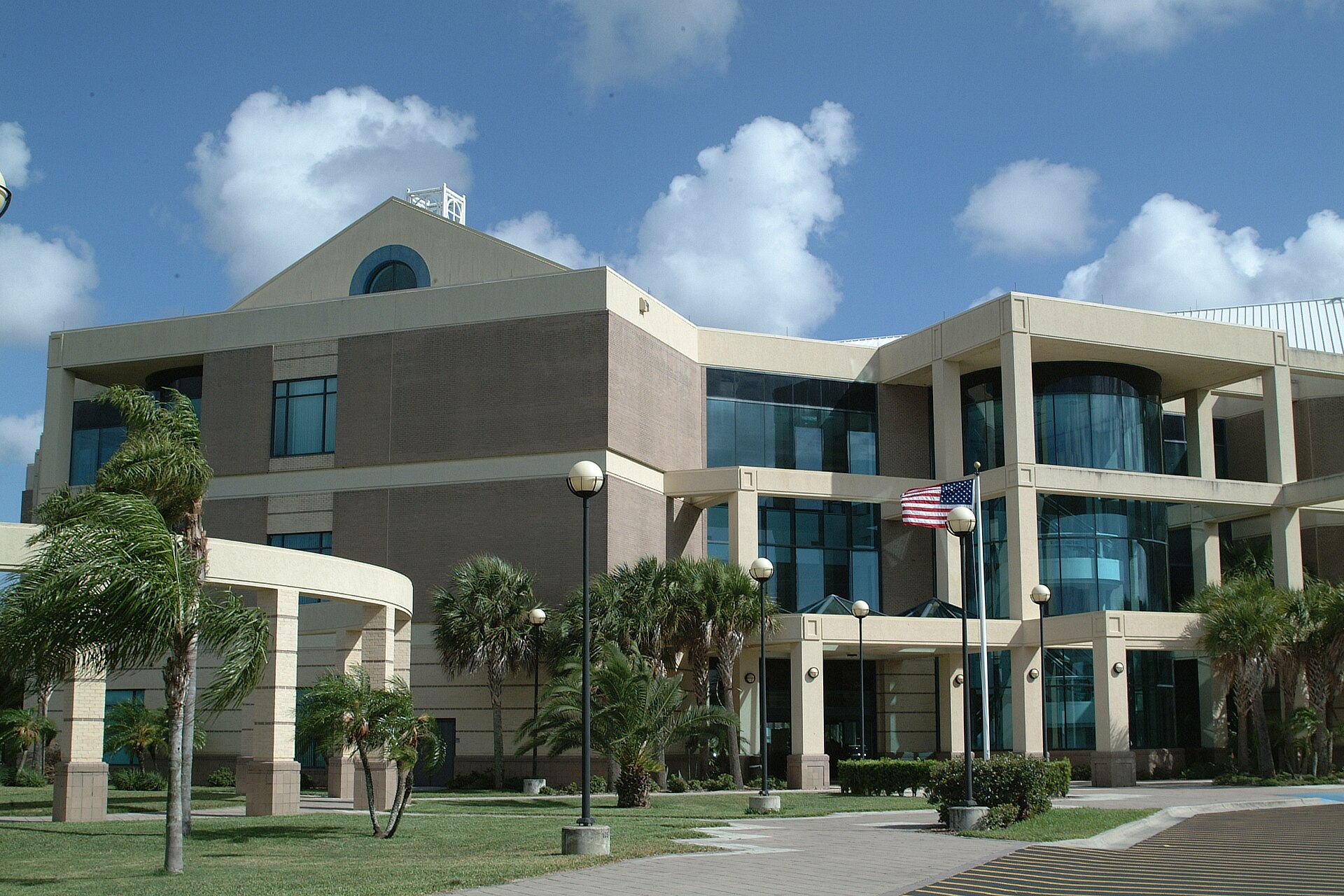
Brevard Junior College opened to students in September 1960 on a 100-acre tract west of Cocoa, becoming Brevard County’s first higher-education institution. It was founded specifically to serve the population explosion driven by NASA’s buildout at Cape Canaveral, Patrick Air Force Base expansion, and the broader space-program economic boom that hit Brevard between 1958 and 1965. The college grew through three name changes, Brevard Junior College, Brevard Community College (1971), and Eastern Florida State College (2013), but stayed at the Cocoa campus and expanded onto satellite campuses at Melbourne, Palm Bay, and Titusville.
The institution is closer to a textbook example of community-college mission fulfillment than most American community colleges. Founded to serve a specific economic transformation. Built quickly. Expanded as demand expanded. Survived through three name changes, multiple curriculum overhauls, and the 2008 recession. Today it serves roughly 30,000 students across four campuses.
Why 1960
Brevard County’s population in 1950 was approximately 23,000. By 1960 it was approximately 111,000. The NASA buildout at Cape Canaveral, beginning in 1950 with the first Bumper-WAC rocket launches and accelerating after the 1958 Mercury program announcement, transformed the county from a citrus-and-tourism economy into a science-and-engineering economy almost overnight.
The new workforce needed higher education for itself and its children. Brevard had no community college, no four-year college, and no university extension. The closest options were Daytona Beach Junior College to the north and Indian River Junior College (in Fort Pierce) to the south, each over an hour’s drive in 1960.
The Florida Board of Education approved Brevard Junior College in 1959 as the eighteenth public junior college in Florida’s emerging community-college system. The Cocoa site was chosen for several reasons: it was relatively central to the county’s population, the land was available and inexpensive (former groveland), and Cocoa offered active political support for the institution.
The 100-acre original site was acquired from a combination of private grove owners and the Brevard County government. The first buildings, a central administration building, several classroom buildings, a small library, opened in 1960 on a tight 12-month construction schedule. The first president was Dr. Maxwell C. King, who would lead the institution from 1961 through 1992.
The Maxwell King era
Maxwell C. King is the dominant figure in the institution’s history. Hired as president in 1961 (one year after the college’s founding), King led BJC and then BCC for 31 years, retiring in 1992. The current Maxwell C. King Center for the Performing Arts on the Melbourne campus is named for him, as are several scholarship programs.
King’s era saw:
- 1971 conversion from junior college to community college. The name changed from Brevard Junior College to Brevard Community College, reflecting the broader community-college mission emerging across the United States in the 1970s.
- Multi-campus expansion. The Melbourne campus opened in 1968, the Titusville campus in 1968, and the Palm Bay campus in 1989. The Cocoa campus remained the main administrative and academic center.
- Curriculum diversification. BCC added vocational and technical programs, including aviation maintenance (taking advantage of the Patrick AFB and KSC proximity), nursing, and computer science (early adopter, mid-1970s).
- Performing-arts program. The King Center for the Performing Arts opened in 1988 on the Melbourne campus, becoming the principal performing-arts venue for central Brevard County.
- Enrollment growth from approximately 1,200 in 1961 to over 24,000 by 1992.
King’s tenure is unusually long for a community-college presidency, even by 1960s-1980s norms. His political and institutional stability gave BCC consistency through a period when most American community colleges had multiple leadership transitions.
The 2013 transition to Eastern Florida State
In 2013 the Florida Legislature authorized BCC to become Eastern Florida State College, with the authority to award four-year bachelor’s degrees in selected fields. This was part of a broader Florida transformation of community colleges into “state colleges” with bachelor’s-degree authority, beginning in 2001 with Miami-Dade and rolling out across most of the state’s community colleges through the 2000s and 2010s.
EFSC began offering bachelor’s degrees in nursing, applied health sciences, organizational management, and information technology. The bachelor’s programs are aimed at non-traditional students, working adults seeking to complete a four-year degree without leaving Brevard County for a state university.
The 2013 name change was controversial. Many alumni preferred “Brevard Community College” as the institutional identity. The new name, “Eastern Florida State”, is generic in a way that “Brevard” wasn’t, and the change felt like the loss of local identity. The institution kept “BCC” branded on athletic uniforms and some legacy signage for several years.
The campuses today
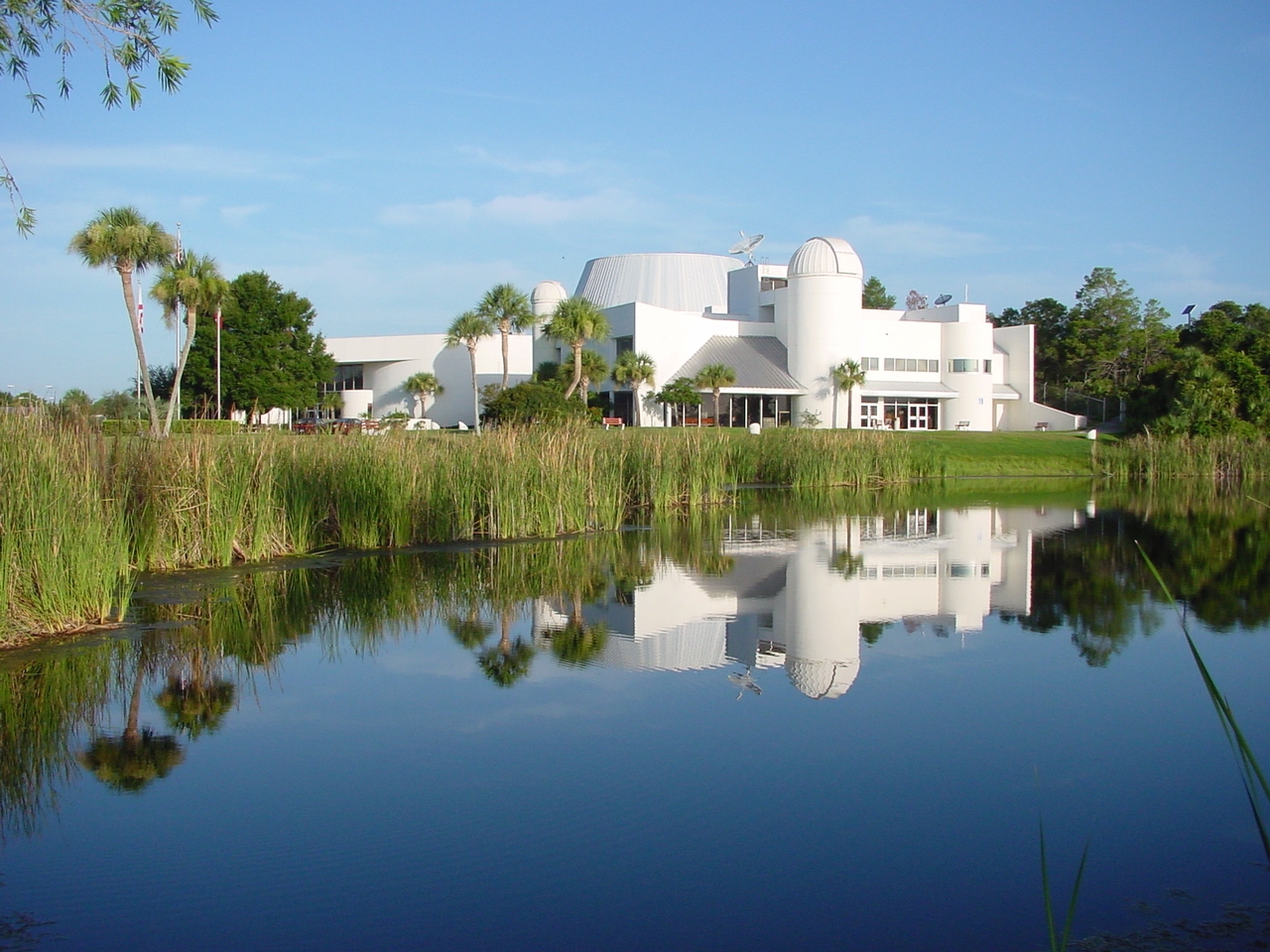
Cocoa campus. The original 1960 site. Houses the planetarium and observatory (BCC Astronaut Memorial Planetarium is sometimes referenced separately), most administrative functions, and significant academic programming.
Melbourne campus. Largest by enrollment. Houses the King Center for the Performing Arts and major academic facilities.
Titusville campus. Smaller, serves north Brevard. Several programs tied to KSC workforce development.
Palm Bay campus. Newest of the four (1989). Serves south Brevard’s growing population.
What it has done for Cocoa specifically
For the City of Cocoa, the EFSC Cocoa campus has been a consistent economic anchor for 65 years. Roughly 8,000 students attend the Cocoa campus in a typical academic year. The campus employs several hundred faculty and staff. The planetarium attracts public visitors. Performing-arts and athletic events bring outside attendance.
The campus also functions as workforce development, most graduates of BCC / EFSC have stayed in Brevard County, supplying the labor force for NASA contractors, hospitals, school districts, local government, and the small-business sector. The institution is, by a substantial margin, the largest higher-education degree producer in the county.
For mainland Cocoa specifically, as opposed to Cocoa Beach or the barrier-island communities, EFSC has helped sustain the post-citrus-era economic transition. As the citrus packing houses closed in the 1960s and 1970s, the college absorbed the displaced workforce’s children into educational pathways toward NASA-economy careers. The institutional connection between mainland Cocoa’s old economy and its new one runs partly through the EFSC campus.
The astronaut memorial planetarium
The BCC Cocoa Campus Astronaut Memorial Planetarium and Observatory opened in 1975 and is, in its current form, one of the few permanent astronaut-memorial facilities in the United States. The planetarium serves both public visitors and BCC / EFSC astronomy courses; it has been refurbished several times, most recently in 2018.
The memorial component honors the astronauts who died in the Apollo 1 (1967), Challenger (1986), and Columbia (2003) disasters. The facility has hosted memorial events tied to anniversaries of each disaster.
What survives of the 1960 founding
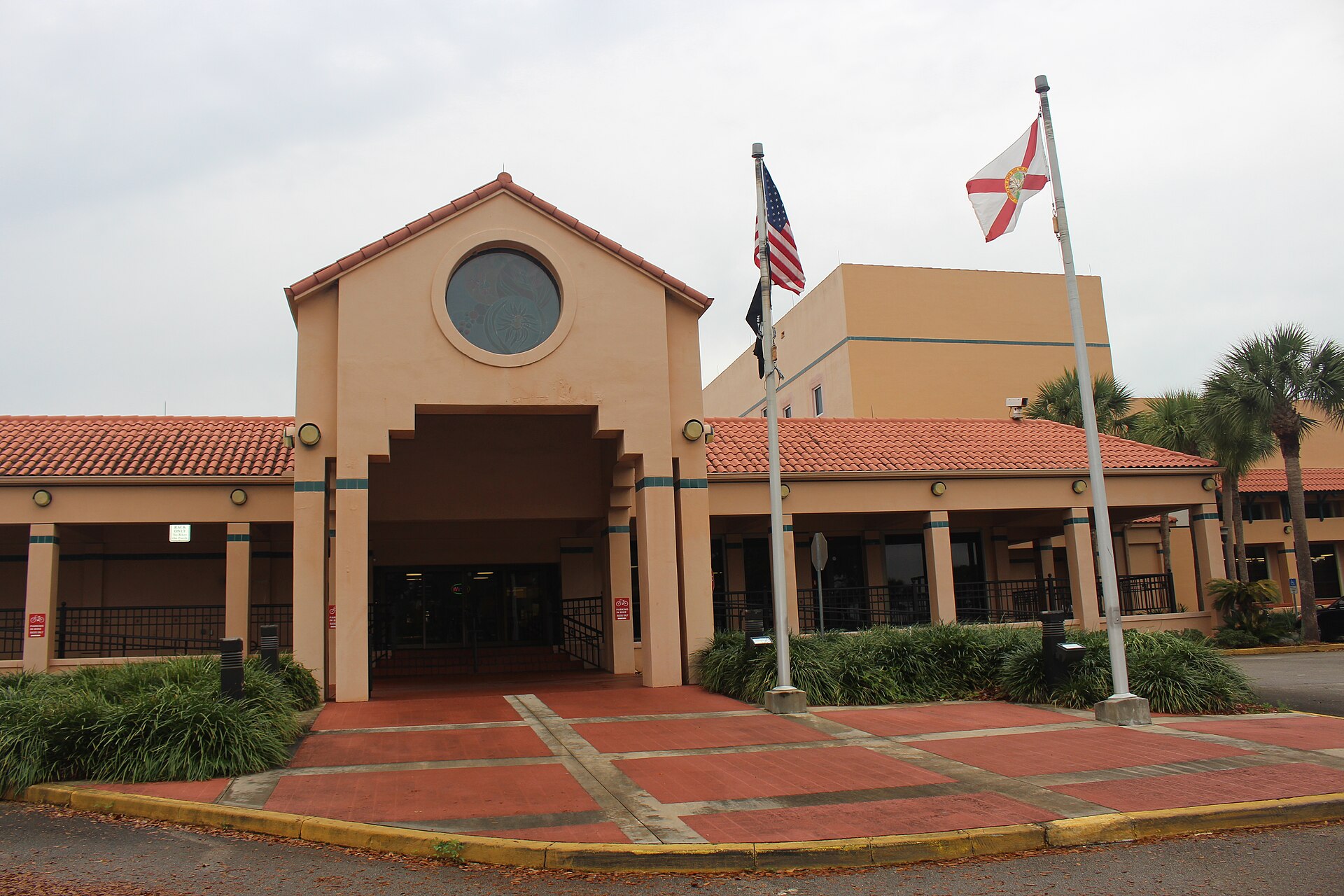
Several of the original 1960 buildings still stand on the Cocoa campus, though most have been renovated multiple times. The central administration building, with modifications, dates to the original construction. The library has been replaced. Most of the original instructional space has been replaced or substantially remodeled.
The 100-acre original campus has expanded slightly through small parcel acquisitions; the institutional footprint today is roughly 110 acres.
EFSC institutional records and the Brevard County government archives document the 1959-1960 founding period. The college’s own archives, maintained at the Cocoa campus, are the primary source for institutional history.
Further Reading
Sources
- Eastern Florida State College institutional history and archives.
- Florida Department of Education, community-college system records.
- Florida Legislature, 1959 enabling legislation for Brevard Junior College and 2013 authorization for Eastern Florida State College.
- Florida Today, BCC / EFSC coverage 1966-present.
- Cocoa Tribune, 1959-1965 coverage of college founding (microfilm).
- Maxwell C. King biographical materials, EFSC archives.
- Brevard County government records on the original 1959-1960 college site acquisition.
- U.S. Census, Brevard County population statistics 1950-1970.
- NASA institutional history of Brevard County workforce buildout, Kennedy Space Center archives.
As an Amazon Associate we earn from qualifying purchases.